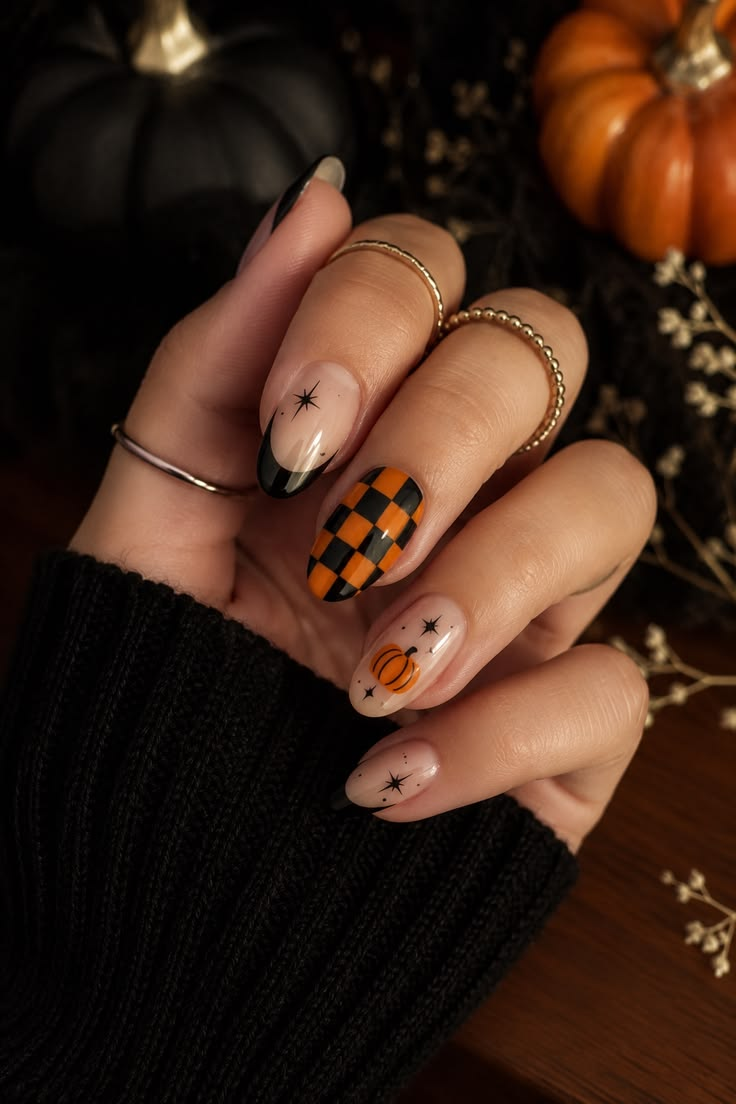
26 Short Nail Designs That Are Actually Chic (I Tried Most of These on My Tiny Nail Beds)
I used to think short nails were a consolation prize. You know the drill — you break a nail, you file them all down, and suddenly your entire personality feels less “put together.”
That was me for years, until I realized the problem wasn’t the length. It was that I was trying to translate long-nail designs onto a canvas the size of a Tic Tac.
Here’s the thing: short nails are not a limitation. They’re a different format. The designs that work are the ones that respect the scale — crisp lines, strategic negative space, and finishes that do the visual heavy lifting without needing three inches of real estate.
The 2026 runways and salon chairs agree; the pendulum has swung hard toward short, natural, and low-maintenance, with nail artists calling the micro French “the manicure of 2026” and clients asking for “barely there” looks that feel intentional, not unfinished.
I’ve rounded up 26 short nail designs I’ve either worn myself, seen on friends, or saved to my own “to-request” board.
I’ve organized them by vibe and included a comparison table so you can find your lane in about thirty seconds.
Then I’ll get into the shape stuff nobody tells you, the at-home tools that are actually worth buying, and the one mistake that makes short manicures look cheap.
Quick Comparison: Find Your Short Nail Vibe
| Vibe | Best Designs | Best Nail Shape | Wear-Time Reality | Who It’s For |
|---|---|---|---|---|
| Minimalist / Clean | Micro French, Soap Nails, Milky Nude | Squoval or short almond | 10–14 days with a good top coat | Office workers, low-maintenance people, anyone who types |
| Chrome & Glazed | Glazed Donut, Peachy Pink Chrome, Nude Cat Eye | Short almond or oval | 7–10 days; chrome dulls faster if you use your hands a lot | Anyone who wants shine without glitter |
| Playful / Graphic | Polka Dot Tips, Abstract Lines, Mini Stars | Short square | 7–10 days; tiny details chip first | People who get bored of solid colors |
| Seasonal | Fruit Nails, Pastel Florals, Burgundy Tips | Any short shape | 10–14 days | People who change their nails with the weather |
| Full Glam | 3D Pearls, Rhinestones, Chrome Flames | Short square or almond | 5–7 days; 3D elements catch on things | Special occasions, vacations, weddings |
The Minimalist Short Nail Designs That Look Expensive
1. The Micro French (The One Design Everyone Should Try at Least Once)
Why it matters: The classic French tip can overwhelm a short nail — that thick white band eats up half your visible nail bed. The micro French reduces the tip to a hairline, sometimes barely a millimeter thick, which adds definition without shortening the nail. It’s the difference between “I got my nails done” and “I woke up like this but better.”
How to do it: Ask for a sheer nude or milky pink base (OPI Bare My Soul is the shade celebrity manicurist Natalie Minerva used on Addison Rae) and a liner brush for the tip. The color can be white, but burgundy, tortoiseshell, or even a metallic micro-tip is more modern for 2026.
Pro tip: The magic is in the prep, not the polish. Minerva told Allure that sharp nail shaping and buffed edges are what make a micro French look precise instead of wobbly. If your nail edges are uneven, the thin tip will highlight it.
2. Soap Nails (The “No-Makeup Makeup” of Manicures)
Why it matters: Soap nails are the nail equivalent of skin tint — a sheer, soapy wash of color that looks like your nails but healthier. They’re perfect for short nails because there’s no design to compete with the small surface area, and they grow out without a visible line of demarcation.
How to do it: Ask for a milky pink, warm beige, or sheer peach base with a high-gloss top coat. Essie Ballet Slippers is the gold standard for this look; one editor described it as applying “like water” and building to a soft pink without looking painted on. OPI Bubble Bath is the slightly milkier alternative.
Pro tip: Soap nails live or die by the top coat. A cheap top coat will turn cloudy within three days and make the whole manicure look dull. Seche Vite is the fast-dry option most nail techs keep in their kit for a reason, but a gel top coat will give you the glassy finish that actually lasts two weeks.
3. Milky Nude (The Shade That Makes Short Nails Look Longer)
Why it matters: A milky nude that’s slightly lighter than your skin tone creates a subtle contrast that makes the nail bed look longer without any actual length. It’s the optical illusion of nail design, and it works on literally every shape.
How to do it: Look for shades described as “milky” rather than “sheer” — you want enough pigment to blur the free edge of the nail, but not so much that it looks like a solid beige polish. OPI’s Bubble Bath, Essie’s Limo-Scene, and Dazzle Me’s milky collection are all reliable starting points.
Pro tip: If you have cool undertones, a milky pink will look more natural than a milky beige, which can pull yellow. Warm undertones can handle both, but a peachy milky nude is usually the safest bet.
4. Abstract Line Art (The Design That Looks Intentional Even When It’s Imperfect)
Why it matters: Short nails don’t have room for a full scene, but they have plenty of room for a single, confident line. Abstract line art — a squiggle, a single arc, a few intersecting strokes — reads as modern and deliberate without requiring the precision of a miniature painting.
How to do it: Use a thin liner brush or a nail art pen. Paint your base color, let it dry completely (this is the step people rush), then draw one or two lines in a contrasting shade. A single gold line on a beige base is the “quiet luxury” version; a black squiggle on a milky pink is more playful.
Pro tip: Don’t try to make the lines perfect. The whole point of abstract line art is that it’s a little imperfect. If you’re using regular polish, seal it with a top coat within five minutes or the lines will smudge.
5. Glassy Polka Dots (The Grown-Up Version of a Tween Design)
Why it matters: Polka dots on short nails can go twee fast, but the 2026 version is different — tiny dots layered over a jelly or cat-eye base, sometimes with a metallic finish, so they read as texture rather than a cartoon. A glassy finish keeps them sophisticated.
How to do it: Paint a mauve or milky pink base, add a layer of clear glitter or cat-eye top coat, then use a dotting tool (or the rounded end of a bobby pin) to place tiny dots in a contrasting shade. Keep the dots small — no bigger than the head of a pin.
Pro tip: If you’re doing this at home, let the base dry for at least 20 minutes before adding dots. Regular polish that’s still tacky will drag under the dotting tool and turn your polka dots into smears.
The Chrome & Glazed Designs That Make Short Nails Look Expensive
6. Glazed Donut Nails (The Hailey Bieber Classic That Still Works)
Why it matters: The glazed donut finish — a pearlescent chrome powder over a milky nude base — became a phenomenon for a reason. It reflects light in a way that makes the nail look smooth and healthy, and it works just as well on short round or almond nails as it does on long ones.
How to do it: The at-home version is simpler than it looks. Paint two thin coats of a milky nude (Funny Bunny is the shade most tutorials use), let it dry completely, then rub a fine pearl chrome powder over the top with a silicone applicator. Seal with a glossy top coat.
Pro tip: The chrome powder will amplify any ridges or unevenness in your base. If your nails are naturally textured, use a ridge-filling base coat first — otherwise the glaze will look bumpy instead of smooth.
7. Peachy Pink Chrome (The Spring/Summer Version of Glazed)
Why it matters: Pure chrome can look severe on short nails, but a peachy pink chrome hits the sweet spot between minimal and fun. It’s the shade that reads “vacation” without requiring a full set of extensions, and it’s easy to recreate with gel or regular polish plus a white chrome powder.
How to do it: Paint a peachy pink base, cure it if you’re using gel, then rub a small amount of white or pearl chrome powder over the entire nail. The result is a soft, lit-from-within glow rather than a mirror finish.
Pro tip: Chrome powder shows every cuticle. If you’re doing this at home, push your cuticles back properly and clean up the edges before you apply the powder. A clean perimeter is what makes chrome look salon-quality.
8. Nude Cat Eye (The “Quiet Luxury” Manicure)
Why it matters: Cat-eye polish uses magnetic particles to create a dimensional, shifting shimmer that looks like light moving under the surface of the nail. Nail artists say magnetic shades “look really stunning on short nails” because they add texture and interest without needing length. A nude or soft pink cat eye is the most wearable version.
How to do it: Cat-eye polish requires a magnetic wand, so this is usually a salon service unless you’ve invested in a gel kit. Ask for a fine-powder cat eye rather than a chunky glitter one — it creates a glassier, more sophisticated effect.
Pro tip: The direction of the magnetic line matters. A line running lengthways down the nail gives the eye something to follow and makes the nail look longer; a horizontal line will make a short nail look wider.
9. Icy French (The Winter French That Feels Like Jewelry)
Why it matters: A traditional French with a chrome top coat is the easiest way to make a classic manicure feel special. The chrome catches light and gives the white tip a subtle shimmer, which reads as expensive without being flashy.
How to do it: Ask for a standard French with a sheer pink base and white tips, then request a layer of chrome powder over the entire nail. The tip should still be visible, but it’ll have a pearlescent sheen instead of a flat white finish.
Pro tip: If you’re doing this at home, apply the chrome powder before your top coat, not after. Chrome powder needs a tacky gel surface to adhere to; over regular polish, it’ll just wipe off.
10. Mauve Chrome (The Moody, Modern Option)
Why it matters: Deep mauve with a chrome overlay is the short-nail equivalent of a leather jacket — it’s a little bit dramatic, but the short length keeps it from feeling costume-y. It’s a great option for fall and winter when you want something richer than a nude but not as intense as black.
How to do it: Paint a deep mauve base and seal it with a chrome top coat (or rub chrome powder over gel). The contrast between the dark base and the reflective finish is what makes it work.
Pro tip: Dark chrome shows scratches more than light chrome. If you’re rough on your hands, save this one for a shorter wear window or a special occasion.
The Playful Short Nail Designs That Don’t Feel Juvenile
11. Polka Dot Tips (The French With a Sense of Humor)
Why it matters: A classic French tip with tiny polka dots placed along the white line is the kind of design that makes people look twice — it’s familiar enough to be wearable, but the dots add a playful twist that reads as personal style rather than trend-chasing.
How to do it: Start with a standard French manicure, then use a dotting tool to add small black or colored dots along the tip. Keep the dots evenly spaced and the same size; inconsistency is what makes it look DIY in a bad way.
Pro tip: If you’re not confident with freehand dots, use a dotting tool with a metal ball tip rather than a bobby pin. The ball tip gives you a cleaner, rounder dot, and it’s a $3 investment that makes a surprising difference.
12. Mini Stars (The Celestial Design That Works on Small Nails)
Why it matters: Stars are a classic nail art motif, but on short nails they need to be scaled down. A single tiny star — painted or placed as a decal — on a solid base is more effective than a sky full of them, because the small canvas can’t handle visual clutter.
How to do it: Paint a burgundy, navy, or black base, then use a toothpick or tweezers to place a small silver star decal near the cuticle or the tip. Seal with a top coat. If you prefer painted stars, use a fine liner brush and keep the points sharp.
Pro tip: Place the star off-center. A star right in the middle of the nail can look like a logo; a star near the corner or the edge looks like a design choice.
13. Abstract Color Blocking (The Design That Hides Chips)
Why it matters: Color blocking — painting different sections of the nail in contrasting shades — is a forgiving design for short nails because it doesn’t require precise lines. It also hides tip wear better than a solid color, since the eye reads the blocks rather than the edge.
How to do it: Use nail art tape or a steady hand to create a diagonal or horizontal line, then fill one side with a light shade and the other with a dark or bright shade. A nude-and-red combo is classic; a pastel-and-black combo is more modern.
Pro tip: Don’t try to color-block with regular polish unless you have a quick-dry top coat. The layers take longer to set, and the tape can pull up the base color if it’s not completely dry.
14. Fruit Nails (The Summer Design That’s Actually Wearable)
Why it matters: Fruit motifs — tiny cherries, citrus slices, watermelon — are a summer staple, and they work surprisingly well on short nails because they’re naturally small-scale. A single tiny cherry on a sheer pink base is subtle enough for everyday wear, while a full set of citrus slices is more playful.
How to do it: Use nail decals or a fine liner brush. For cherries, paint two small red circles and a green stem; for citrus, paint a half-circle in orange or yellow and add thin white lines for the segments.
Pro tip: Keep the fruit small. A cherry that takes up the whole nail looks like a cartoon; a cherry that takes up a third of the nail looks like a detail.
15. Mini Florals (The Design That Reads “Romantic” Without Being Bridal)
Why it matters: Painted flowers can look dated if they’re too large or too detailed, but tiny, simple florals — three petals, a dot in the center — read as fresh and modern on short nails. Celebrity manicurist Harriet Westmoreland’s “milky floral” nail art is the reference point: a barely-there base with a small flower that adds “a nice little pop” without overwhelming the nail.
How to do it: Paint a milky pink or sheer nude base, then use a dotting tool to create three or four small petals and a contrasting center dot. A single flower per nail is enough.
Pro tip: Don’t outline the petals. An outlined flower looks like a sticker; a filled, soft-edged flower looks like it was painted by hand (because it was).
16. Chrome Flames (The Bold Option for People Who Are Over Minimalism)
Why it matters: If you’ve done the micro French and the glazed donut and you’re ready for something with a little more edge, chrome flame tips are the move. They’re bold without being long, and the chrome finish keeps them from looking like a middle-school doodle.
How to do it: Paint a sheer or nude base, then use a fine liner brush to paint flame shapes at the tips in a chrome or metallic polish. The flames should be small and sharp — scaled to the short nail, not drawn for a long one.
Pro tip: Chrome polish is less forgiving than regular polish. If you’re doing this at home, use a gel chrome or a chrome powder over gel for the sharpest lines; regular chrome polish tends to streak.
The Seasonal Short Nail Designs Worth Planning Ahead For
17. Burgundy Tips (The Fall French That Feels Rich)
Why it matters: Burgundy as a French tip color instead of white is the easiest way to make a classic silhouette feel seasonal. The deep red-brown is flattering on almost every skin tone, and it still works to elongate short nails because the base stays nude and the tip stays thin.
How to do it: Ask for a sheer nude base and a burgundy tip, either micro or standard thickness. If you’re doing it at home, a deep wine shade like Essie’s Bordeaux or OPI’s Malaga Wine works well.
Pro tip: Burgundy tips look best when the base has a little warmth. A cool-toned sheer pink can make the burgundy look harsh; a peachy nude softens it.
18. Pastel French Rainbow (The Spring Design That Makes People Smile)
Why it matters: Painting each tip a different pastel shade is a small, joyful way to welcome spring without committing to full rainbow nail art. It’s playful but still structured, and it works on short nails because the color is confined to the tip.
How to do it: Use a nude or pale pink base and a different pastel shade on each tip — candy pink, baby blue, mint, lilac, butter yellow. Use a liner brush or French tip guide stickers for clean lines.
Pro tip: Keep the pastels in the same tonal family (all cool or all warm). Mixing cool mints with warm peaches can make the set look accidental rather than intentional.
19. Cloudy Baby Boomer (The Gradient That Works on Short Nails)
Why it matters: A baby boomer — a gradient from nude at the cuticle to white at the tip — can look harsh on short nails if the white starts too low. The “cloudy” version softens the transition so it reads as a gentle glow rather than a hard line, and it’s a great option if you want the effect of a French without the crisp tip.
How to do it: Apply a milky pink base, then use a makeup sponge to dab milky white onto the tips, blending upward. Clean up the edges with a corrector pen and seal with a top coat.
Pro tip: The sponge method is messy but effective. Use a small piece of sponge and dab rather than swipe — swiping pulls the white down the nail and muddies the gradient.
20. Coconut Jelly Nails (The Summer Texture That Looks Like a Vacation)
Why it matters: Jelly polish is a sheer, squishy-looking finish that makes the nail look like it’s made of tinted glass. Anne Hathaway’s “Coconut Jelly Nails” — a milky, translucent white — became the short-nail reference for summer 2026 because the finish is light enough to work on a small canvas without looking heavy.
How to do it: Ask for a sheer milky white or sheer coconut-milk shade in a jelly formula. Two thin coats are better than one thick coat; jelly polish is prone to bubbling if you rush it.
Pro tip: Jelly polish shows every ridge and imperfection on the nail bed. If your nails are uneven, use a ridge-filling base coat first — otherwise the jelly will magnify the texture instead of smoothing it.
21. Brown Sugar Espresso (The Cozy Fall Shade That Isn’t Black)
Why it matters: Dakota Johnson’s “Brown Sugar Espresso” nails became a fall staple because the neutral brown is softer than black but just as moody. On short nails, a solid espresso shade looks intentional and grounded, especially in a glossy finish.
How to do it: Paint two coats of a light-to-medium brown polish with a glossy top coat. If you want a little dimension, add a single accent nail in a lighter caramel or a chrome finish.
Pro tip: Brown can pull orange on warm undertones and gray on cool undertones. Swatch it on one nail before committing to the full set, especially if you’re buying a new bottle.
22. Dark Chocolate (The Winter Neutral That Reads as Luxe)
Why it matters: Dark chocolate — almost black, but with a brown base — is the winter version of a nude. It’s dramatic without being harsh, and it looks especially good on short square or squoval nails because the clean edges keep the dark color from overwhelming the hand.
How to do it: Two thin coats of a deep chocolate polish, sealed with a glossy top coat. A matte top coat is an option, but matte finishes show oil marks faster and can make the color look flat.
Pro tip: Dark polish shows tip wear immediately. If you want the color to last, wrap the tip with your top coat — literally paint the top coat along the free edge of the nail to seal it.
The Full-Glam Short Nail Designs for Special Occasions
23. 3D Pearls (The Bridal/Graduation/Wedding-Guest Move)
Why it matters: A single small pearl or a cluster of three tiny pearls on a nude base is the kind of detail that makes a short manicure feel bridal without requiring a full set of extensions. It’s elegant, it photographs well, and it’s easy to remove if you change your mind.
How to do it: Paint a sheer nude or milky pink base, then use nail glue or a top coat to adhere small flat-back pearls near the cuticle or along the tip. Keep the pearls small — 2mm or 3mm — so they don’t catch on clothing.
Pro tip: Don’t use craft-store pearls. They’re too heavy and they fall off. Nail-specific flat-back pearls are lighter and designed to adhere to polish.
24. Rhinestone Accents (The Design That Makes a Small Nail Look Like Jewelry)
Why it matters: A line of tiny rhinestones along the cuticle or a single rhinestone on the accent nail adds sparkle without requiring full glitter. It’s a classic special-occasion look that works on short nails because the stones are the focal point, not the length.
How to do it: Apply rhinestones with nail glue or a thick top coat while the base is still tacky. Use a wax pencil or tweezers to place them precisely. Seal the edges with a thin layer of top coat.
Pro tip: Less is more. One rhinestone per nail or a small cluster on one accent nail is enough. A full nail of rhinestones on a short canvas looks cluttered and catches on everything.
25. Velvet Aura (The Soft-Focus Design That’s Everywhere on Instagram)
Why it matters: Aura nails — a diffused, cloud-like gradient in the center of the nail — are having a moment, and the velvet version adds a soft cat-eye shimmer that makes the gradient look lit from within. On short nails, the key is to keep the aura colors close in tone so the gradient reads as a gentle blur, not a stain.
How to do it: Use a blooming gel or a sheer base, then dab a small amount of a slightly deeper shade in the center of the nail and blend outward with a brush or sponge. Add a cat-eye top coat for the velvet effect.
Pro tip: Aura designs are unforgiving of a lumpy base. If you’re doing this at home, apply a smoothing base coat and let it dry fully before you start blending — otherwise the aura will pool in the ridges.
26. Chrome Tinned Fish (The Quirky Design That’s Actually Wearable)
Why it matters: I know how it sounds. But chrome “tinned fish” nails — a metallic, sardine-tin-inspired design — became a micro-trend because the finish is surprisingly elegant on short nails: it’s basically a chrome French with a playful, weird-luxury twist. If you’re the friend who always has the unusual accessory, this is your manicure.
How to do it: Paint a metallic silver or gold base, then add a thin line of a contrasting chrome shade along the tip or the side of the nail. The “fish” element is optional — the metallic, retro-future finish is the point.
Pro tip: This design works best on a short square or squoval nail. A rounded shape softens the metallic edge too much and makes it look like a standard chrome rather than a deliberate design choice.
What Nail Shape Actually Works Best for Short Nails?
Before you pick a design, pick a shape. The shape you choose has more impact on whether a short manicure looks polished than the design itself.
A squoval (square with softened corners) is the most forgiving shape for short nails. It gives the nail a clean, intentional edge without the sharp corners that can catch and break. A short almond is the most elongating shape for narrow or small nail beds, because the tapered sides create the illusion of length. A round shape is the most practical if you’re hard on your hands — it’s less likely to chip at the corners — but it can make very short nails look stubby if the sides aren’t shaped carefully.
The one shape I’d skip for short nails is a sharp square. It looks severe on a small canvas, and the corners are the first thing to chip. If you love the square look, ask for a squoval and keep the edges soft.
The At-Home Manicure Tools That Are Actually Worth Buying
You don’t need a full salon setup to do a short-nail design at home. These are the three tools that make the biggest difference:
- A dotting tool ($3–$5): For polka dots, florals, and tiny accents. A bobby pin works in a pinch, but a proper dotting tool gives you a cleaner, rounder dot and costs less than a coffee.
- A thin liner brush ($5–$8): For micro French tips, abstract lines, and any design that requires precision. A liner brush is thinner and more flexible than a standard polish brush, and it’s the difference between a crisp line and a smudge.
- A ridge-filling base coat ($8–$12): Short nails show texture more than long nails because there’s less surface area to distract the eye. A ridge-filling base coat smooths the nail bed and makes chrome, jelly, and sheer finishes look salon-quality instead of bumpy.
A glass nail file is also worth the upgrade over an emery board if you shape your nails at home. It seals the edge of the nail instead of fraying it, which means fewer chips and a smoother canvas for design.
Frequently Asked Questions About Short Nail Designs
Do short nail designs actually last as long as long-nail designs?
They can last just as long, sometimes longer, because there’s less free edge to chip. The trade-off is that tiny details — micro French tips, polka dots, rhinestones — chip first because they’re on the part of the nail that takes the most wear. A good top coat and wrapping the tip will extend wear by several days.
What’s the best short nail design for work or a conservative office?
A micro French, soap nails, or a milky nude. All three read as polished without being decorative, and they grow out without a visible line. If you want a little more personality, a single abstract line on one accent nail is subtle enough for most workplaces.
Are short nails harder to paint at home?
They’re actually easier in some ways — there’s less surface area to cover, so you’re less likely to flood the cuticle. The challenge is precision: designs that require fine lines or small details are harder because the margin for error is smaller. A liner brush and a dotting tool make the biggest difference.
What’s the best nail polish brand for short nails?
Essie and OPI are the most reliable for consistent coverage and a self-leveling formula that doesn’t streak on a small nail. For gel, OPI GelColor is a salon-quality option that’s HEMA-free and lasts three weeks with proper application. For a budget option, Sally Hansen’s Miracle Gel line closes the gap more than its price would suggest.
How often should I get my short nails redone?
Every two to three weeks for gel, every one to two weeks for regular polish if you want to maintain the design. Short nails grow out faster than you think — the regrowth line at the cuticle becomes visible around the 10-day mark, especially with sheer or milky shades.
Can I do a micro French on very short nails?
Yes, but there’s a limit. If the free edge of your nail is shorter than about 2mm, there may not be enough room for the tip line to read as a French rather than a random stripe. In that case, a reverse French (a line along the cuticle) or a soap nail is a better choice.
What’s the biggest mistake people make with short nail designs?
Trying to translate a long-nail design directly onto a short nail. A design that looks balanced on an almond extension — a large flower, a thick French tip, a full rhinestone set — will look crowded and top-heavy on a short nail. The fix is to scale everything down: smaller details, thinner lines, and more negative space.
What I’d Do First If I Were Starting Over
If I could go back to the beginning of my short-nail journey and give myself one piece of advice, it would be this: stop treating short nails like a compromise and start treating them like a different medium. The designs that work are the ones designed for the format — not the ones shrunk down from a long-nail tutorial.
I’d start with a micro French on a squoval shape. It’s the design that taught me short nails can look expensive, and it’s the one I still come back to when I don’t know what to ask for at the salon. Then I’d buy a $4 dotting tool and a $6 liner brush and practice the small stuff at home until my hands stopped shaking.
And honestly? I’d stop worrying about whether my nails look “long enough.” The best short nail designs don’t try to fake length. They make the length you have look intentional.