21 New Year Home Decor Ideas That Will Refresh Your Space (Without a Full Renovation)
I used to hate the week after New Year’s. Taking down the Christmas tree always left my apartment feeling like a barren wasteland — just empty corners and sad, undecorated shelves.
Two years ago, I finally figured out a system that made the transition feel less like a chore and more like a fresh start.
Instead of packing everything away and staring at blank walls, I started swapping holiday decor for cozy, winter-appropriate pieces that actually made me want to be home in January.
The trick isn’t buying a whole new living room set. It’s about small, intentional shifts.
My friend Maya spent $60 at HomeGoods on a new throw blanket, a candle, and a woven basket, and her place looked completely different.
I’ve also made my share of mistakes — like the time I bought a giant mirror for my entryway without measuring, and it sat in my hallway for three weeks because it didn’t fit anywhere.
Whether you’re in a 400-square-foot studio or a two-bedroom rental, these New Year home decor ideas are designed to be budget-friendly, rental-friendly, and actually doable.
I’ve included cost breakdowns, a comparison table, and the pro tips I wish I’d known before wasting money on things that didn’t work.
1. Swap Holiday Red and Green for Winter Neutrals
The biggest mistake I see people make is going from full-on Christmas to nothing. Your space feels empty because you removed all the color and texture at once. Instead, transition to a winter palette: whites, creams, soft grays, and touches of deep blue or forest green. Think snowflakes, faux fur, and birch logs instead of Santas and reindeer.
How to do it: Put away anything explicitly holiday-themed (Santa, reindeer, red-and-green stripes). Keep the cozy textures — flannel, wool, faux fur — but swap the colors. A cream throw blanket and a few white pillar candles can replace a red-and-green tablescape. I bought a set of three faux fur pillows from Amazon for $28, and they instantly made my couch look like a winter lodge.
Pro Tip: Don’t ditch all your greenery. Real or faux evergreen branches look wintery, not Christmasy, if you remove the ornaments and ribbon. I keep a vase of eucalyptus stems on my coffee table from December through February.
2. Create a Cozy Reading Nook
There’s nothing better than curling up with a book when it’s freezing outside. But most people don’t have a dedicated reading corner because they think they need a whole room. You don’t. A comfortable chair, a small side table, and a warm lamp are enough to carve out a tiny sanctuary.
How to do it: Look for an unused corner — next to a window, beside a bookshelf, even in a wide hallway. Add a plush chair (I found a used one on Facebook Marketplace for $40), a small table for your tea, and a floor lamp with a warm bulb. A sheepskin rug draped over the chair adds texture and warmth for under $20.
The trade-off: If you have a small apartment, a reading chair takes up floor space. But the payoff in mental health during dark winter months is worth it. My friend Rachel lives in a 380-square-foot studio and swears her reading nook is the only reason she survived last January.
Pro Tip: Use a dimmer switch or smart bulb so you can adjust the lighting from “cozy” to “actually functional.” Harsh overhead lights kill the vibe instantly.
3. Refresh Your Entryway with a Tray and Hooks
Your entryway is the first thing you see when you walk in, and in winter, it’s usually a disaster of wet boots, salt-stained shoes, and piles of mail. A few simple additions can turn it from chaos to calm — and it takes about 20 minutes.
How to do it: Get a shallow tray or basket for shoes (I use a $12 wicker basket from Target). Add a command hook or two for keys, leashes, and umbrellas. If you have wall space, a small shelf with a few hooks underneath is a game-changer. I installed one from IKEA for $25 and it holds my keys, a small plant, and a candle.
The real problem this solves: You stop losing your keys and tripping over boots every morning. It also makes your entryway feel intentional instead of like a dumping ground.
Pro Tip: Put a small dish of water and lemon essential oil on a radiator or in a simmer pot near your entry. It makes the whole space smell like a spa, and it’s cheaper than buying plug-in air fresheners.
4. Add a Gallery Wall That Doubles as a Vision Board
New Year’s is about fresh starts and goals. Why not make your wall decor reflect that? A gallery wall with photos, quotes, and small art pieces can serve as a daily reminder of what you’re working toward — and it looks way more personal than a generic print.
How to do it: Collect frames from thrift stores or Dollar Tree (spray-paint them all one color for cohesion). Print out photos, magazine clippings, or write your own goals on index cards. Arrange them on the floor first, then hang. I did this last year with a mix of travel photos and a card that says “Drink more water” — it makes me smile every morning.
The trade-off: Gallery walls can look cluttered if you’re not careful. Stick to a color palette (black and white, gold and cream, etc.) and leave some breathing room between frames.
Pro Tip: Use damage-free hanging strips if you’re in a rental. I’ve moved three times with the same frames and never lost a deposit.
5. Use Mirrors to Brighten Dark Winter Rooms
Winter means less sunlight, and dark rooms can feel depressing. A well-placed mirror bounces light around the room and makes your space feel bigger and brighter without any electrical work.
How to do it: Place a large mirror opposite a window. If you don’t have a window, put it across from a lamp. I bought an oversized leaning mirror from Wayfair for $70 (it was on sale) and it completely changed my living room. It reflects the light from my floor lamp and makes my 500-square-foot apartment feel like 700.
The trade-off: Cheap mirrors can look warped or distorted. Check the reviews before buying, and if you can, see it in person. My friend Priya bought a $30 mirror online and returned it because it made her look like a funhouse character.
Pro Tip: Don’t hang a mirror too high. The center should be at eye level — about 60 inches from the floor — or it just reflects the ceiling.
6. Declutter and Donate (The Ultimate New Year Reset)
You can’t decorate a cluttered space. Before you buy a single new thing, spend an afternoon decluttering. The new year is the perfect time to purge things that don’t serve you — and it’s free.
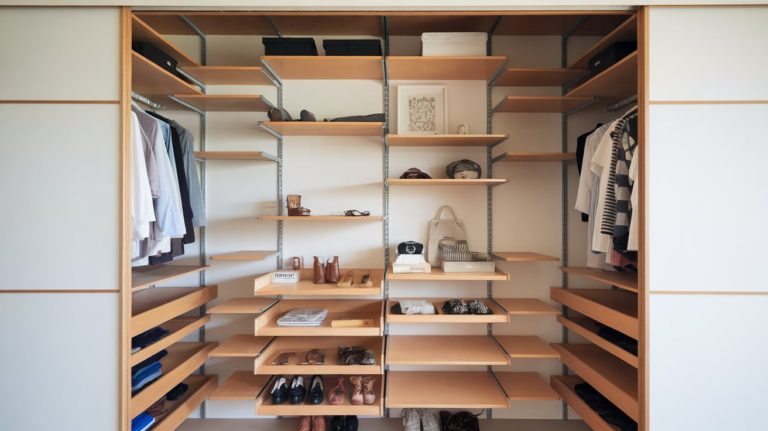
How to do it: Pick one area (a closet, a bookshelf, a kitchen drawer) and set a 30-minute timer. Make three piles: keep, donate, toss. Be ruthless. I did this in my closet last January and donated three bags of clothes I hadn’t worn in two years. My closet felt twice as big, and I found a scarf I forgot I owned.
Why it matters: Clutter creates visual noise, which makes your brain feel stressed. Once you clear the surfaces, you can actually see and appreciate the decor you already have.
Pro Tip: Don’t try to do your whole house in one day. It’s exhausting and you’ll burn out. Do one room per weekend, and reward yourself with a coffee or a new candle when you’re done.
7. Add Warm Lighting with Fairy Lights and Candles
Overhead lighting is the enemy of cozy. In winter, you want layers of warm, soft light. Fairy lights and candles are the easiest way to get that hygge vibe without spending much.
How to do it: Drape battery-operated fairy lights (I get mine from Amazon for $8 per strand) around a window, along a bookshelf, or inside a glass jar. Add a few unscented pillar candles (or flameless if you have pets). I keep a trio of candles on my coffee table and light them every evening after work.
The trade-off: Real candles are a fire hazard if you forget about them. Flameless candles have come a long way — some even have a realistic flicker — but they still need batteries. I buy rechargeable ones to save money long-term.
Pro Tip: Stick to warm white or amber bulbs. Cool white fairy lights look like a hospital waiting room, not a cozy winter cabin.
8. DIY a Vision Board as Wall Art
Instead of hiding your goals in a journal, turn them into decor. A vision board is basically a collage of images and words that represent what you want to manifest in the new year. It’s cheap, personal, and looks great in a frame.
How to do it: Get a corkboard or foam board from Dollar Tree. Cut out magazine clippings, print Pinterest images, or write quotes on colored paper. Glue everything down, then hang it in your bedroom or office. My friend Hannah made one with photos of Italy, a yoga pose, and a picture of a golden retriever — she adopted a dog in March.
Why it works: It’s a daily visual reminder of your intentions. And unlike a generic art print, it tells a story about you.
Pro Tip: Don’t overthink it. It doesn’t have to be Pinterest-perfect. The messy, personal ones are the best.
9. Update Throw Pillows and Blankets for Texture
You’d be surprised how much a couple of new throw pillows can change a room. In winter, swap out lightweight cotton covers for velvet, faux fur, or chunky knit. It’s the cheapest way to make your couch feel brand new.
How to do it: Buy pillow covers instead of whole pillows — they’re cheaper and easier to store. I got a set of two velvet covers from Amazon for $12. For blankets, a chunky knit throw from TJ Maxx ($25) adds instant warmth. I drape mine over the arm of the couch, and it looks like a stylist did it (I promise it took two seconds).
The trade-off: Faux fur sheds. If you have a black couch, avoid white faux fur unless you want to lint-roll daily.
Pro Tip: Stick to a maximum of three colors in your throw pillows. Any more and it looks like a toddler’s playroom.
10. Bring in Fresh Greenery (Even If You Kill Plants)
I have a black thumb. I’ve killed more succulents than I can count. But fresh greenery in winter is non-negotiable for me — it makes the air feel cleaner and the room feel alive.
How to do it: Choose low-maintenance plants like snake plants, ZZ plants, or pothos. If you really can’t keep anything alive, go for high-quality faux plants. I bought a faux fiddle leaf fig from World Market for $60 three years ago, and it still looks real. A cheaper option: fresh eucalyptus stems from Trader Joe’s ($4) last about three weeks in a vase.
Why it matters: Winter is gray and brown outside. A pop of green inside lifts your mood and makes your space feel like a greenhouse, even if it’s 20 degrees out.
Pro Tip: If you buy real eucalyptus, hang it in your shower for a spa-like scent. The steam releases the oils.
11. Create a Coffee or Tea Station
If you’re working from home or just trying to save money on Starbucks, a dedicated coffee station makes your morning routine feel like a ritual. It also clears clutter off your kitchen counters.
How to do it: Find a small cart, tray, or shelf. Add your coffee maker, mugs, beans, and a small plant. I used a bar cart from IKEA ($30) and styled it with my Keurig, a sugar bowl, and a framed print. It sits in the corner of my dining area and makes me happy every morning.
The trade-off: If you have a tiny kitchen, a coffee station takes up space. But it frees up cabinet space and looks intentional rather than cluttered.
Pro Tip: Add a small tray for spills and a cute jar for sugar packets. It keeps everything organized and easy to wipe down.
12. Rearrange Your Furniture for a New Layout
Sometimes the best way to refresh your space is to use what you already have — just move it around. A new layout can make a room feel completely different without spending a dime.
How to do it: Pick one room. Take everything off the walls and move the big pieces (couch, bed, desk) to new spots. Try pulling furniture away from the walls — it can make a small room feel bigger. I rearranged my living room last January and discovered I had a whole wall I wasn’t using. I moved my desk there and now I have a dedicated work area.
Why it works: You notice details you’d stopped seeing. It’s like getting a new room for free.
Pro Tip: Use painter’s tape to map out new furniture arrangements before you actually move anything. It saves your back and prevents arguments with your partner.
13. Add a Rug to Define a Space
If you have an open floor plan or a studio apartment, a rug is the easiest way to create “zones” without building walls. It also adds warmth underfoot, which is crucial when your floors are cold.
How to do it: Measure your space first. A rug that’s too small looks like a bath mat. For a living room, you want at least the front legs of your couch on the rug. I bought a 5×7 washable rug from Ruggable (they’re machine washable, which is great for winter slush) for $120. It’s an investment, but it’s survived two winters and a puppy.
The trade-off: Cheap rugs shed and curl at the corners. If you’re on a tight budget, try a flat-weave cotton rug from IKEA ($30) — it’s not plush, but it defines the space.
Pro Tip: Use a rug pad. It prevents slipping, adds cushioning, and makes any rug feel more expensive.
14. Use Baskets for Blanket and Toy Storage
Winter means blankets everywhere. Instead of tossing them on the couch, corral them in a beautiful basket. It looks intentional and keeps your living room from looking like a laundry pile.
How to do it: Get a large woven basket (I found mine at HomeGoods for $20). Roll your blankets instead of folding them — it looks neater and you can fit more. If you have kids or pets, use a second basket for toys and dog toys. It makes cleanup a 10-second job.
Why it matters: Visual clutter makes your brain feel cluttered. A basket hides the mess while still being accessible.
Pro Tip: Look for baskets with handles. You’ll thank yourself when you’re dragging it from room to room.
15. Paint an Accent Wall (Or Use Peel-and-Stick)
Paint is the cheapest way to make a dramatic change. But if you’re a renter, you might be scared of losing your deposit. Enter peel-and-stick wallpaper. It’s come a long way from the ugly stuff your grandma had.
How to do it: Pick a small wall — behind your bed, in a hallway, or inside a bookshelf. For paint, a gallon of good quality paint is $30-$40. For peel-and-stick, expect to pay $30-$60 per roll. My friend Sarah used peel-and-stick wallpaper in her rental’s entryway and it took her two hours. When she moved out, it peeled off cleanly.
The trade-off: Peel-and-stick can peel off paint if your walls aren’t primed properly. Test a small corner first.
Pro Tip: If you paint, buy a paint sample first. “White” has 40 different undertones, and the wrong one can look yellow or blue in different light.
16. Add Floating Shelves for Display and Storage
Floating shelves are a renter’s best friend. They add vertical storage without taking up floor space, and they give you a place to display candles, plants, and books.
How to do it: Buy a set of floating shelves (I got two from Target for $25). Install them using heavy-duty anchors if you’re not hitting a stud. Style them with a mix of tall and short items — a small plant, a stack of books, a framed photo. Don’t overcrowd them; leave some empty space.
Why it works: It draws the eye upward, making your ceilings feel higher. And it gets clutter off your counters.
Pro Tip: Use a level. I eyeballed my first shelf and it was noticeably crooked. My friend noticed immediately.
17. Create a DIY Bar Cart for Entertaining
If you like hosting (or just making cocktails at home), a bar cart is both functional and decorative. It’s a great way to corral bottles, glasses, and accessories that would otherwise clutter your kitchen.
How to do it: You can buy a bar cart new ($50-$100) or thrift one and spray-paint it. I found a vintage brass cart at a flea market for $40 and it’s my favorite piece of furniture. Stock it with your favorite spirits, a cocktail shaker, pretty glasses, and a small vase of greenery.
The trade-off: If you don’t drink, a bar cart can still work as a coffee station or a plant stand. Don’t feel pressured to fill it with alcohol.
Pro Tip: Add a small tray on the top tier to keep bottles from sliding around. It also makes the cart look more styled.
18. Use a Room Divider to Create Zones in a Studio
Studio apartments are tricky. You sleep, eat, work, and relax in one room. A room divider gives you visual separation without building walls.
How to do it: Choose a folding screen, a bookshelf, or a curtain. I used a tall IKEA bookshelf to separate my bed from my “living room” area. It doubled as storage. A friend of mine used a tension rod and a curtain to create a “bedroom” in her studio — it cost $30 total.
Why it matters: It makes your brain switch modes from “work” to “rest.” You sleep better when your bed isn’t also your office.
Pro Tip: If you use a bookshelf, leave some cubbies open so light can pass through. A solid wall makes the space feel smaller.
19. Update Hardware on Cabinets and Drawers
This is the easiest, cheapest way to make your kitchen or bathroom look updated. New knobs and pulls can take a builder-grade cabinet from boring to custom.
How to do it: Measure the distance between screw holes before you buy anything. Then order new hardware online (Amazon and Etsy have great options). I swapped my kitchen cabinet knobs for brass ones — $25 for a pack of 10 — and it took 15 minutes. My mom thought I’d painted the cabinets.
The trade-off: If you’re a renter, save the old hardware in a bag so you can swap it back before you move out.
Pro Tip: Mix metals intentionally. Brass with matte black looks modern; all-brass looks traditional. Don’t mix more than two finishes.
20. Add a Scent Diffuser or Simmer Pot
Smell is the strongest sense tied to memory. A wintery scent — cinnamon, orange, clove, pine — can make your home feel instantly cozier. You don’t need expensive candles; a simmer pot on the stove works just as well.
How to do it: Fill a small pot with water, sliced oranges, cinnamon sticks, and a few cloves. Simmer on low. Your whole house will smell like a winter wonderland. If you prefer a diffuser, I use a $20 one from Amazon with eucalyptus and peppermint oils.
Why it matters: It’s an inexpensive way to set a mood. And unlike synthetic air fresheners, it doesn’t give me a headache.
Pro Tip: Never leave a simmer pot unattended. I learned that the hard way when the water evaporated and my pot was ruined.
21. Set Up a “Reset Station” for Keys and Mail
The new year is about systems. A reset station near your door stops clutter before it starts. It’s a small tray, a hook, and a mail sorter — that’s it.
How to do it: Find a small tray or bowl for keys. Add a wall hook for your bag and coat. Get a simple mail sorter (or a basket) for letters. I set one up in my entryway for $15 total, and I haven’t lost my keys in six months.
Why it matters: You stop the daily scavenger hunt. You also stop piles of mail from taking over your kitchen counter.
Pro Tip: Empty your mail sorter every Sunday. Otherwise it becomes a permanent paper pile.
Comparison Table: New Year Decor Ideas by Budget and Impact
| Idea | Cost Range | Time Needed | Rental-Friendly? | Impact Level |
|---|---|---|---|---|
| Swap holiday colors for neutrals | $0-$30 | 1 hour | Yes | High |
| Create a reading nook | $40-$150 | 2 hours | Yes | High |
| Refresh entryway with tray + hooks | $15-$40 | 30 min | Yes (damage-free hooks) | Medium |
| Gallery wall / vision board | $10-$40 | 2 hours | Yes (damage-free strips) | High |
| Add a mirror | $30-$100 | 15 min | Yes | High |
| Declutter and donate | $0 | 1-3 hours | Yes | Very High |
| Warm lighting (fairy lights, candles) | $10-$30 | 30 min | Yes | Medium |
| Update throw pillows/blankets | $20-$50 | 10 min | Yes | Medium |
| Add a rug | $30-$150 | 10 min | Yes | High |
| Rearrange furniture | $0 | 1-2 hours | Yes | High |
| Peel-and-stick wallpaper | $30-$60 | 2 hours | Yes (removable) | Very High |
| New cabinet hardware | $20-$40 | 30 min | Yes (save old) | Medium |
Frequently Asked Questions
Q: How do I decorate for New Year’s after Christmas without spending a lot?
A: Focus on what you already have. Swap red and green for neutrals, rearrange furniture, and declutter. The best New Year home decor ideas are often free. If you do buy something, stick to versatile pieces like throw pillows, baskets, or candles that work all winter.
Q: What are the best winter colors for home decor?
A: Think cozy and muted: cream, soft gray, dusty blue, forest green, and burgundy. These colors feel warm without being holiday-specific. You can also add metallics like brass or copper for a touch of glam.
Q: How can I make my small apartment feel bigger in winter?
A: Use mirrors to bounce light, choose a consistent color palette, and keep clutter off surfaces. A rug can define zones, and a room divider can create separate “rooms” in a studio. Also, don’t block windows — natural light is precious in winter.
Q: Is peel-and-stick wallpaper safe for rentals?
A: Most modern peel-and-stick wallpaper is designed to be removable, but it can peel off paint if your walls aren’t primed. Test a small corner first. I’ve used it in two rentals and only had one small patch of paint come off — I patched it with a $5 sample pot.
Q: How do I transition from Christmas decor to New Year decor?
A: Remove anything explicitly Christmas-themed (Santa, reindeer, red-and-green stripes). Keep wintery items like snowflakes, evergreen branches, and cozy textures. Add a few neutral pieces — a cream throw, a white candle, a birch log — and you’re done.
The Wrap-Up
If I were starting over with my New Year home decor, I’d begin with the free stuff first: declutter one room, rearrange the furniture, and swap out the holiday colors. Then I’d spend $20 on a new throw pillow and a candle. That’s it. You don’t need a full renovation to make your space feel fresh.
The best New Year home decor ideas are the ones that make you feel calm and happy when you walk through the door. For me, that’s a cozy reading nook, a simmer pot on the stove, and a basket of blankets by the couch. For you, it might be a gallery wall or a new rug. Start small, and don’t be afraid to move things around until it feels right.
And if you take nothing else from this post, please measure before you buy a mirror. Learn from my mistake.